
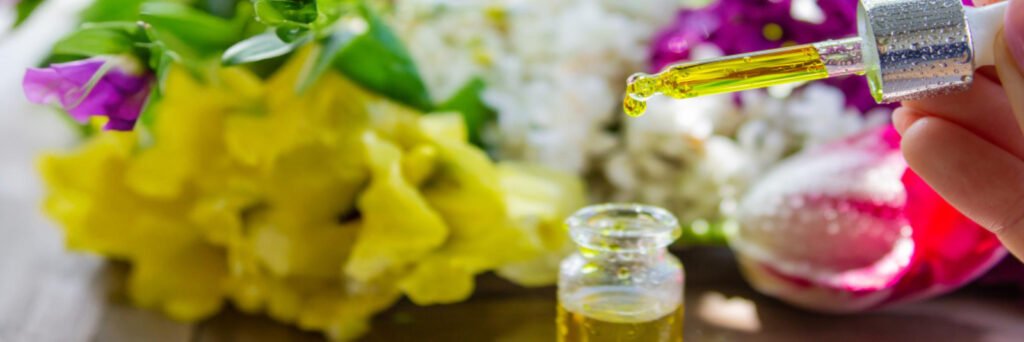
Every memorable scent and signature taste is the result of intricate molecular artistry. Behind the perfumes we wear and the foods we enjoy lies a sophisticated chemical supply chain, where precise extraction, synthesis, and compounding transform raw intermediates into sensory masterpieces that evoke emotion and define brands.
What are Aroma Chemicals and Intermediates?
Aroma chemicals and fragrance intermediates are specialized organic compounds engineered to mimic, enhance, or create specific scent and taste profiles. Utilizing high-purity solvents, essential botanical extracts, and synthetic aromatic molecules, flavorists and perfumers blend these components to craft stable, safe, and long-lasting sensory formulations.
What is Their Use?
- Food and Beverage Enhancement: Imparting authentic fruit, savory, or sweet profiles to processed foods, beverages, and confectioneries.
- Perfume and Cosmetics Formulation: Creating multi-layered olfactory notes (top, middle, and base notes) for fine fragrances, deodorants, and personal care items.
- Household and Industrial Masking: Neutralizing harsh chemical odors in cleaning products, detergents, and industrial formulations.
- Pharmaceutical Palatability: Masking bitter active pharmaceutical ingredients (APIs) in syrups, chewables, and oral medicines.
Key Benefits in Formulation
- Sensory Consistency: Guarantees that every batch of a product delivers the exact same taste or fragrance experience to the consumer.
- High Volatility and Longevity: Formulated to control evaporation rates, ensuring scents linger on skin or flavors burst correctly upon consumption.
- Regulatory Safety: Produced under strict purity standards to ensure total compliance with global food safety and cosmetic safety bodies (like IFRA and FEMA).
Essential Chemical Classes in Flavours & Fragrances
- High-Purity Solvents: Ethanol, Propylene Glycol, and Triethyl Citrate used as safe carriers and diluents.
- Esters and Aldehydes: Compounds like ethyl butyrate and vanillin responsible for distinct fruity, floral, and warm notes.
- Natural Isolates: Purified compounds extracted directly from essential oils for natural-label products.
- Fixatives: Specialized chemicals that slow down the evaporation of volatile aroma compounds to extend product shelf-life.