
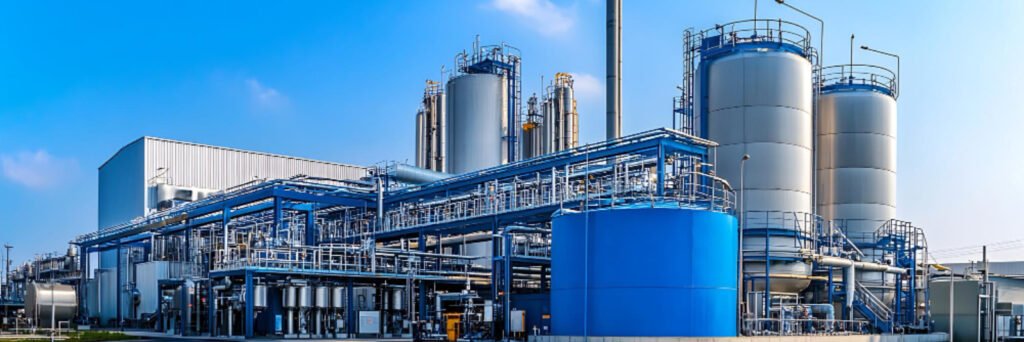
Behind the global energy supply chain lies a demanding industrial sector that depends heavily on advanced chemistry. From upstream exploration and drilling to midstream pipeline transport and downstream petroleum refining, specialized chemical intermediates, demulsifiers, and high-purity solvents are essential to optimize extraction efficiency and protect valuable infrastructure.
What are Oilfield and Refinery Chemicals?
Oil and gas chemicals are high-performance formulations engineered to withstand extreme downhole pressures, corrosive subterranean environments, and high-temperature refining conditions. These specialized fluids, corrosion inhibitors, and solvent systems are designed to alter chemical interactions, break stubborn emulsions, and maintain the operational flow of hydrocarbons.
What is Their Use?
- Drilling and Wellbore Stabilization: Providing lubricating drilling muds that cool drill bits, carry rock cuttings to the surface, and stabilize borehole walls.
- Demulsification and Separation: Breaking tight oil-water emulsions produced during extraction to yield clean, pipeline-ready crude oil.
- Corrosion and Scale Inhibition: Protecting metal casing pipes, valves, and transport lines from destructive mineral scaling and acid corrosion.
- Refinery Processing: Utilizing specialized solvents and catalysts during fractional distillation and hydrotreating to purify petroleum fractions.
Key Benefits in Energy Operations
- Operational Efficiency: Prevents costly pipeline blockages, equipment failures, and premature well abandonment.
- Asset Protection: Extends the working lifespan of expensive drilling rigs, offshore platforms, and refinery units.
- Environmental Safety: Minimizes hazardous leaks and ensures produced water meets strict environmental discharge regulations.
Essential Chemical Classes in Oil & Gas
- Surfactants and Demulsifiers: Specialized chemical blends used to separate water from crude oil emulsions.
- Glycols and Solvents: Triethylene Glycol (TEG) used extensively for natural gas dehydration.
- Corrosion Inhibitors: Film-forming amines that shield metal surfaces from hydrogen sulfide and carbon dioxide attack.
- Drilling Fluid Additives: Barite, bentonite, and specialized polymers for density and viscosity control.