
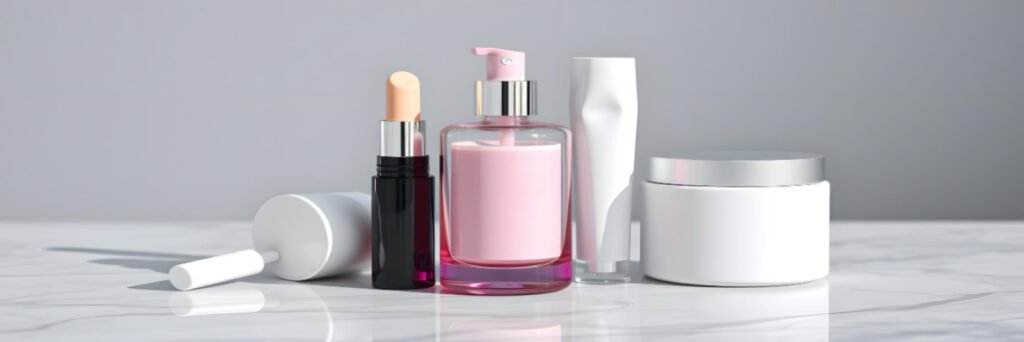
Behind every luxurious skin cream, vibrant lipstick, and gentle cleanser lies an intricate formulation of cosmetic-grade chemicals. The beauty and personal care industry relies on specialized solvents, surfactants, and functional intermediates to create stable emulsions that nourish skin, protect hair, and deliver flawless cosmetic performance.
What are Cosmetic-Grade Chemicals?
Cosmetic-grade chemicals are exceptionally pure, dermatologically tested raw materials formulated to interact safely with human skin and hair. These compounds—ranging from gentle emollients and humectants to specialized carrier solvents—undergo rigorous purity checks to ensure they are free from heavy metals, skin irritants, and toxic residues.
What is Their Use?
- Emulsion Stabilization: Binding oil and water phases together to prevent separation in lotions, creams, and sunscreens.
- Solvent and Carrier Delivery: Dissolving active ingredients like vitamins and botanical extracts so they can penetrate the skin effectively.
- Cleansing and Foaming: Generating rich, stable lathers in shampoos, face washes, and body soaps to lift away dirt and excess sebum.
- Moisture Retention: Pulling moisture from the atmosphere directly into the skin to keep formulations hydrating and long-lasting.
Key Benefits in Personal Care
- Skin Compatibility: Formulated with low toxicity and high skin tolerance, reducing the risk of allergic reactions.
- Enhanced Sensory Appeal: Improves texture, spreadability, and absorption rate, giving products a silky, non-greasy finish.
- Microbial Protection: Prevents bacterial growth and product degradation in water-based cosmetic formulations.
Essential Chemical Classes in Cosmetics
- Carrier Solvents and Humectants: Glycerin, Propylene Glycol, and Butylene Glycol for moisture and active dissolution.
- Surfactants and Emulsifiers: Sodium Lauryl Ether Sulfate (SLES) and Polysorbates for cleansing and blending.
- Emollients: Silicones and light botanical oils that soften and smooth the skin barrier.
- Preservatives: Phenoxyethanol and parabens used to maintain product safety over extended periods.