
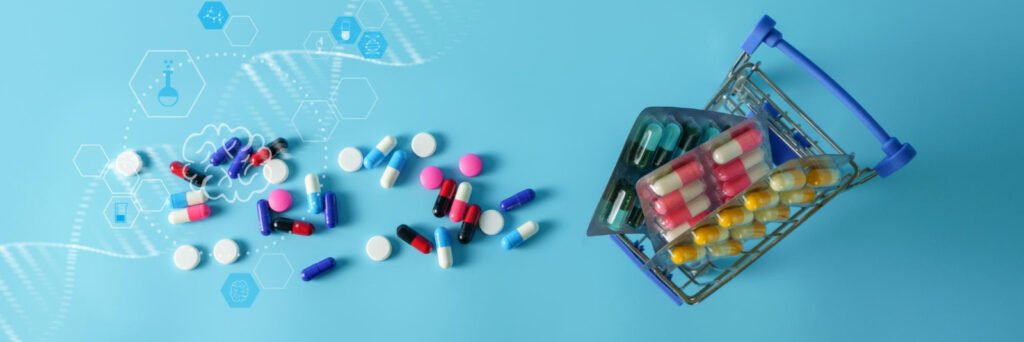
Behind every life-saving capsule, sterile injectable, and over-the-counter remedy lies a rigorous chemical synthesis pathway. The pharmaceutical industry depends heavily on ultra-pure active pharmaceutical ingredients (APIs), specialized chemical intermediates, and pharmaceutical-grade solvents to ensure drugs are safe, effective, and free from dangerous contaminants.
What are Pharmaceutical Chemicals?
Pharmaceutical chemicals encompass high-purity raw materials, reagents, and solvents manufactured under strict Good Manufacturing Practice (GMP) standards. These compounds serve as the building blocks for synthesizing complex medicinal molecules or act as essential processing media that facilitate drug formulation and purification.
What is Their Use?
- API Synthesis: Acting as reactive intermediates and chemical building blocks to construct complex molecular structures for therapeutic drugs.
- Extraction and Purification: Utilizing precise specialty solvents to isolate active medicinal compounds from natural sources or chemical reaction mixtures.
- Excipient Formulation: Serving as safe carriers, binders, and diluents that help deliver the correct dosage of medicine smoothly into the human body.
- Equipment Sterilization: Cleaning and sanitizing manufacturing reactors, cleanrooms, and packaging lines to prevent cross-contamination.
Key Benefits in Drug Production
- Uncompromising Purity: Removes trace impurities and heavy metals, ensuring final medicines meet global pharmacopoeial standards (IP, USP, BP).
- High Chemical Stability: Guarantees that raw materials do not degrade during complex multi-step organic synthesis reactions.
- Patient Safety: Minimizes toxic side effects by ensuring excipients and processing solvents leave zero harmful chemical residues in finished medications.
Essential Chemical Classes in Pharmaceuticals
- High-Purity Solvents: Isopropyl Alcohol (IPA), Methanol, Ethanol, and Acetone used for extraction and recrystallization.
- Key Starting Materials (KSMs): Specialized organic intermediates that initiate complex drug synthesis pathways.
- Inorganic Reagents: Acids and bases utilized for pH adjustment, salt formation, and chemical catalysis.
- Functional Excipients: Glycols and specialized polymers used to control drug release rates in tablets and capsules.