
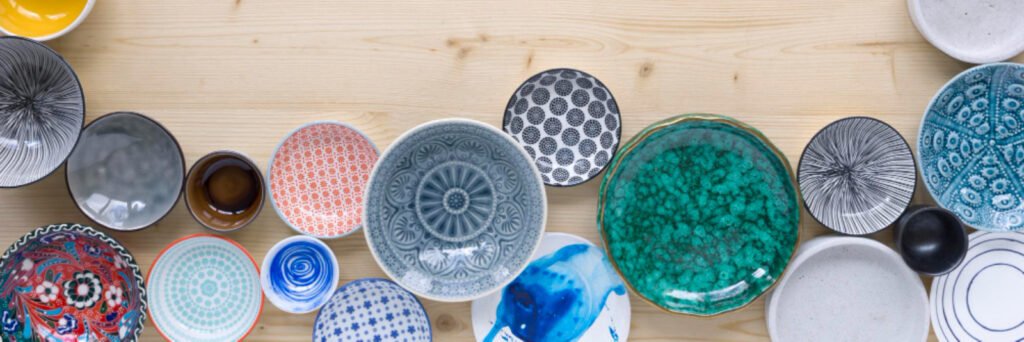
Behind the clarity of modern architectural glass, the brilliance of fine tableware, and the high-performance thermal tiles used in heavy industries lies a sophisticated network of specialized inorganic chemicals. While silica forms the basic framework of glass and ceramics, high-purity chemical additives and mineral fluxes are what dictate melting points, structural strength, optical clarity, and thermal resistance.
What are Glass and Ceramic Chemicals?
Glass and ceramic chemicals encompass a specialized range of high-purity raw materials, fluxes, stabilizers, opacifiers, and colorants. These compounds are meticulously blended with silica sands and clays to optimize the physical and chemical behavior of the batch during high-temperature kiln firing and shaping processes.
What is Their Use?
- Fluxing and Melting Control: Lowering the melting temperature of silica to save energy and facilitate easier shaping during manufacturing.
- Opacity and Whiteness: Introducing specific chemical agents to block light transmission or create a brilliant opaque white finish in ceramic glazes.
- Coloration and Optical Tuning: Adding metal oxides and specialized colorants to impart unique tints, UV-filtering properties, or laser resistance to glass.
- Structural Strengthening: Enhancing chemical durability, scratch resistance, and thermal shock tolerance in consumer and industrial glass.
Key Benefits in Production
- Thermal Stability: Prevents cracking or shattering under extreme temperature fluctuations, crucial for industrial ceramics and laboratory glassware.
- Optical Perfection: Eliminates internal bubbles, discoloration, and structural defects in high-clarity optical and display glass.
- Surface Durability: Protects finished products against chemical corrosion, acid erosion, and mechanical wear.
Essential Chemical Classes in Glass & Ceramics
- Fluxing Agents: Sodium carbonate (soda ash), potassium carbonate, and borax used to reduce melting points.
- Stabilizers: Limestone (calcium carbonate) and dolomite used to enhance chemical durability against weathering.
- Opacifiers and Pigments: Zirconium silicate, titanium dioxide, and cobalt oxides used for color and opacity.
- Specialty Additives: Refining agents like sodium sulfate that remove trapped air bubbles from molten glass batches.