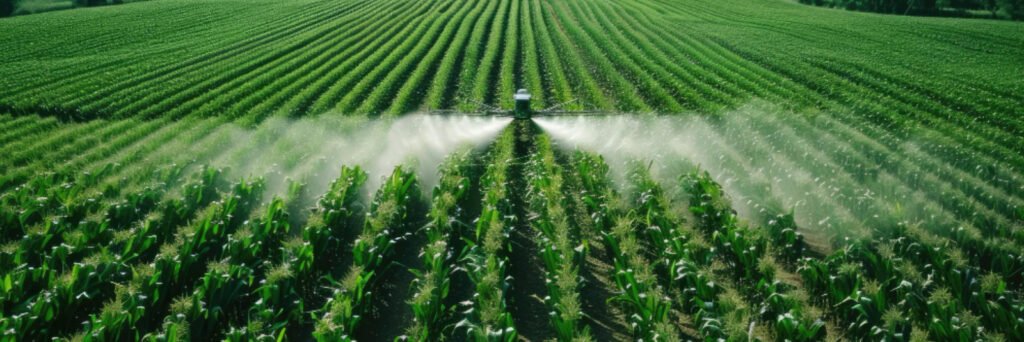
Agricultural chemicals, commonly known as agrochemicals, play a foundational role in modern agriculture by protecting crops, improving soil fertility, and maximizing overall agricultural yield. As global food demand rises, these chemical formulations have become indispensable tools for farmers and agricultural industries aiming to secure food production against pests, diseases, and environmental challenges.
What are Agrochemicals?
Agrochemicals refer to a broad range of chemical products used in agriculture to manage ecosystems, enhance plant growth, and protect crops from unwanted pests, weeds, and diseases. They include various fertilizers, soil conditioners, crop protection chemicals (pesticides, herbicides, fungicides), and growth regulators that support efficient farming operations from sowing to harvest.
What is Their Use?
- Pest and Disease Control: Protecting crops from insects, fungi, bacteria, and nematodes that can devastate entire harvests.
- Weed Management: Eliminating unwanted vegetation that competes with crops for essential nutrients, water, and sunlight.
- Nutrient Enrichment: Supplying essential macro-nutrients (like Nitrogen, Phosphorus, and Potassium) and micro-nutrients directly to the soil or plants to boost growth.
- Yield Optimization: Regulating plant growth cycles and improving resistance to environmental stress, ensuring consistent and high-volume crop output.
Key Benefits of Agrochemicals
- Increased Productivity: Significantly boosts crop yield per acre, helping meet global nutritional demands.
- Economic Stability: Protects farmers from massive financial losses caused by sudden pest outbreaks or crop failures.
- Consistent Quality: Ensures uniform crop growth, better quality produce, and longer shelf life post-harvest.
- Resource Efficiency: Allows farmers to optimize land use by making existing farmland highly productive.
Common Types of Agricultural Chemicals Used in Farming
- Fertilisers: Urea, Ammonium Nitrate, Single Super Phosphate (SSP), and complex NPK blends used for soil nourishment.
- Herbicides: Glyphosate, Atrazine, and Pendimethalin used for targeted weed control.
- Insecticides: Organophosphates, Synthetic Pyrethroids, and Neonicotinoids to keep destructive insects at bay.
- Fungicides: Copper-based compounds, Mancozeb, and Triazoles used to prevent fungal infections and crop blights.
- Plant Growth Regulators (PGRs): Auxins, Gibberellins, and Cytokinins utilized to stimulate root development, flowering, and ripening.